Millets Types: Exploring the Different Types of Millets and Their Powerful Health Benefits
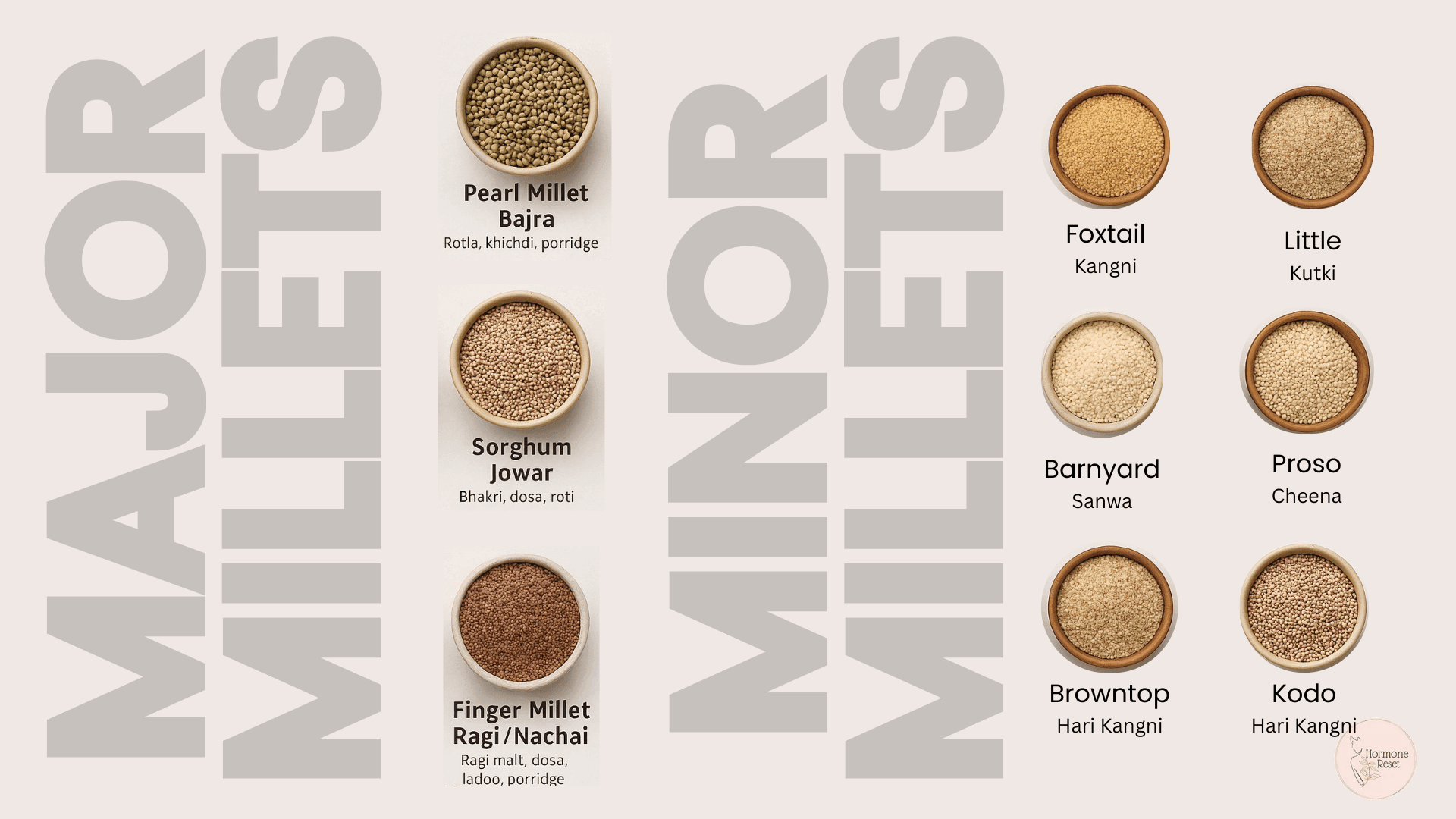
Millets have been a staple in traditional diets for centuries, valued for their resilience, versatility, and impressive nutritional profile. Today, as people increasingly seek natural and wholesome foods, interest in millets types has grown rapidly. From understanding how many types of millets are there to identifying what type of millet is the healthiest, consumers are rediscovering these ancient grains for their remarkable health advantages. In this guide, we examine the different types of millets and their nutritional values, enabling you to select the best millets for health according to your personal goals.
1. Pearl Millet (Bajra)
Pearl millet remains among the most extensively grown grains across India and Africa. Its abundance of protein, fibre, iron, and magnesium positions it firmly among the best millets for health. Valued for enhancing heart function and digestive efficiency, pearl millet further contributes to balanced blood sugar through its low glycaemic index. Of all types of millets and their benefits, pearl millet is especially recognised for increasing vitality and reinforcing immunity.
2. Finger Millet (Ragi)
Finger millet, commonly known as ragi, is particularly valued for its exceptionally high calcium content. This makes it beneficial for bone strength, especially for children and elderly individuals. It also contains essential amino acids and antioxidants that promote overall wellness. When discussing health benefits of different millets, ragi is often highlighted for supporting weight management and improving haemoglobin levels.
3. Foxtail Millet
Foxtail millet is rich in dietary fibre and complex carbohydrates, offering sustained energy release. It is widely chosen by those managing diabetes as it supports stable blood sugar levels. In exploring type of millets suitable for modern lifestyles, foxtail millet is valued for supporting heart health and aiding digestion.
4. Little Millet
Despite its small grain size, little millet delivers significant nutritional benefits. It is a source of B vitamins, iron, and beneficial fats. Among the recognised types of millets and their benefits, little millet aids nerve function and assists in lowering cholesterol. Because of its flexibility, it works well in porridges, savoury dishes like upma, and as an alternative to rice.
5. Kodo Millet
Kodo millet is known for its high fibre content and antioxidant properties. It contributes to cleansing the body while improving intestinal health. Dieticians frequently recommend kodo millet as one of the best millets for health for its impact on weight control and metabolic stability. In analysing the different types of millets and their nutritional values, kodo millet stands out for its anti-inflammatory potential.
6. Barnyard Millet
Barnyard millet is especially suitable for individuals looking for low-calorie but nutrient-rich choices. With high iron and fibre content, it is commonly advised for individuals monitoring blood sugar levels. In debates about what type of millet is the healthiest, barnyard millet is often mentioned because of its low carbohydrate levels and digestibility.
7. Proso Millet
Proso millet provides a balanced combination of protein and carbohydrates. Its gluten-free nature and muscle-supporting nutrients make it appropriate for people sensitive to gluten. With rising curiosity about how many types of millets are there, proso millet is gaining attention for supporting heart health and boosting vitality.
8. Sorghum (Jowar)
Though at times listed separately, sorghum is widely regarded as one of the key millets types. Rich in antioxidants, protein, and fibre, it offers broad nutritional support. Sorghum supports digestive health and helps reduce oxidative stress. Among the health benefits of different millets, jowar is known for improving heart health and supporting sustainable energy.
Pseudo Millets: A Special Category
In addition to true millets, pseudo millets like buckwheat and amaranth are widely consumed. Although botanically health benefits of different millets distinct, they provide comparable nutritional advantages and are typically classified alongside millets. These grains are rich in protein and essential minerals, expanding the variety within the broader type of millets category.
How Many Types of Millets Are There?
When asking how many types of millets are there, the answer depends on classification. In general, millets fall into major and minor categories. Major varieties include pearl millet and sorghum, while minor millets encompass finger millet, foxtail millet, little millet, kodo millet, barnyard millet, and proso millet. Including pseudo millets broadens the category further. Since each grain provides specific benefits, exploring types of millets with pictures assists consumers in recognising them confidently in shops and kitchens.
What Type of Millet Is the Healthiest?
Determining what type of millet is the healthiest depends on individual dietary goals. When focusing on bone health, finger millet excels thanks to its calcium richness. For blood sugar control, foxtail and barnyard varieties are often chosen. To support cardiovascular health and boost iron levels, pearl millet is advantageous. Instead of selecting only one variety, rotating different types of millets and their nutritional values promotes comprehensive nutrition.
Conclusion
Millets offer a powerful combination of nutrition, sustainability, and versatility. Whether choosing pearl, finger, kodo, or proso, the diversity within millets types supports multiple dietary goals. Awareness of the types of millets and their benefits enables more confident nutritional decisions. By including a variety of these grains in daily meals, you can enjoy the full spectrum of health benefits of different millets while supporting long-term wellness naturally.